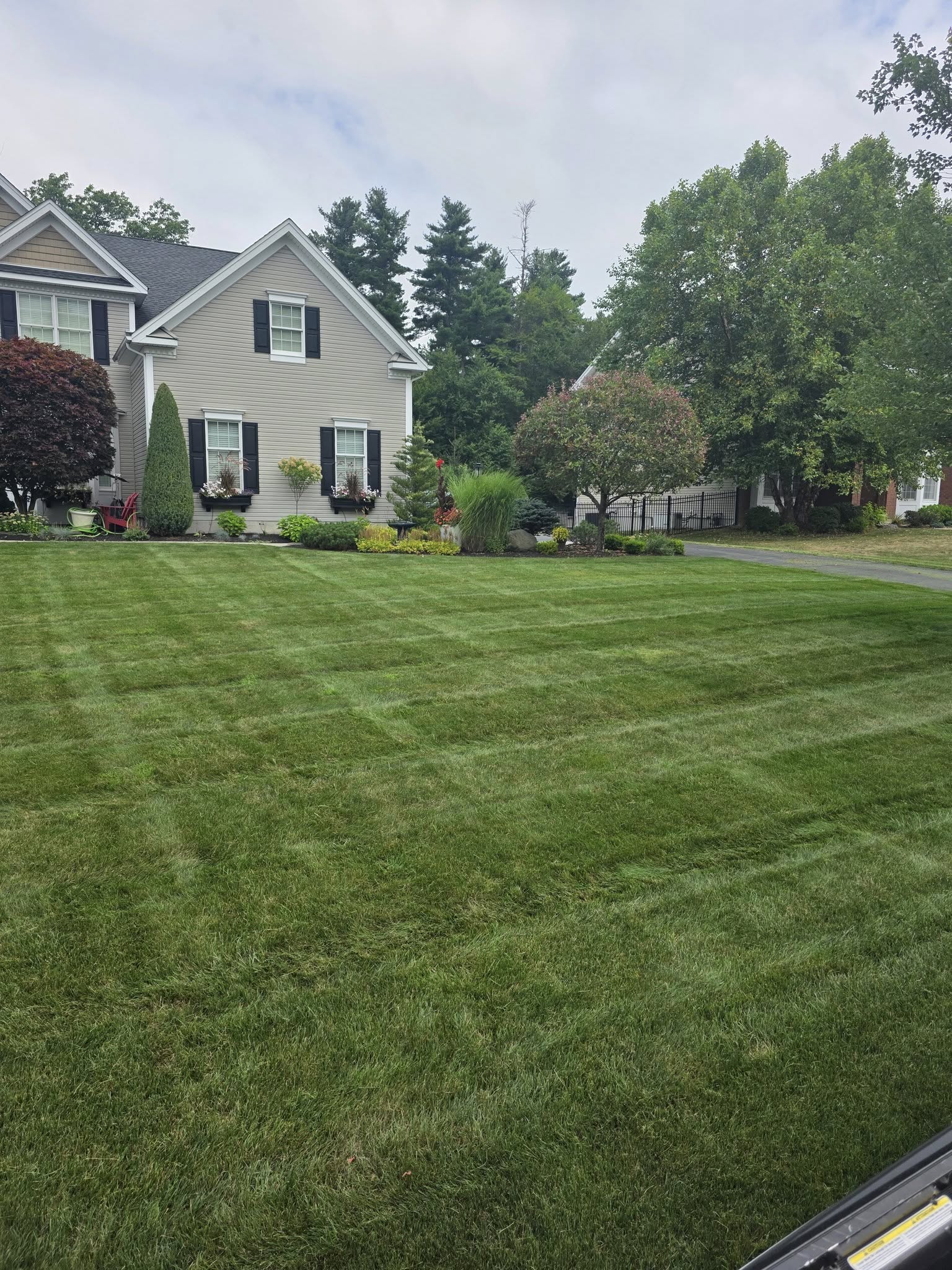
Mastering Garden Design: The Intersection of Aesthetics and Functionality Aug 15, 2026
The first step in achieving a harmonious garden design is recognizing the garden’s potential. Every plot of land has unique characteristics that, when leveraged correctly, can lead to stunning results. Pay attention to natural features such as existing trees, the slope of the garden, and sunlight exposure. These elements should guide the design process, ensuring that both aesthetics and functionality are born out of the landscape’s inherent qualities. Sweet Scapes often begins by assessing these site-specific factors to create a plan that aligns with the home’s architecture and the client’s vision.
Fostering a seamless interaction between aesthetics and functionality involves thoughtful plant selection. Opt for plants that not only complement the visual palette of the garden but also suit the climate and maintenance level desired. Native plants are an excellent choice as they require less water and care, yet offer vibrant blooms that enhance the garden’s visual appeal. Incorporating a variety of textures and colors can also create dynamic visual interest and depth in the garden. Sweet Scapes recommends grouping plants in odd numbers and varying heights to provide a more organic, natural look.
Another cornerstone of effective garden design is the integration of hardscaping elements. Pathways, patios, and retaining walls should blend gracefully with the natural components of the garden. Consider the use of materials that reflect the surrounding environment, such as locally sourced stone or wood. Not only do these materials provide a natural connection between the built and natural elements of a garden, but they also ensure durability against the elements. Functionality is further enhanced by considering accessibility and ease of movement throughout the garden space.
Lighting serves as both a functional and stylistic component of any garden design. Strategic placement of lighting can highlight key features of the garden, such as a majestic tree or an elegant water feature, while also ensuring safety and usability during the evening. Solar-powered lights are an eco-friendly option that can be easily integrated into most garden designs.
Water elements, too, can play a significant role in marrying aesthetics with function. A well-placed water feature, such as a pond or a fountain, not only adds a soothing auditory element but also attracts wildlife, promoting biodiversity in the garden. Sweet Scapes designs these features to ensure they are sustainable and easy to maintain over time.
The path to mastering garden design lies in understanding the interplay between beauty and practicality. A well-designed garden should be a personal sanctuary that fulfills both aesthetic desires and practical needs. Sweet Scapes emphasizes the importance of an iterative design process, where continuous feedback and adaptation lead to a garden that not only thrives but also evolves with the homeowner’s lifestyle. By focusing on these core principles, anyone can achieve a garden that is not just a testament to nature’s beauty but also a functional extension of their home.
/filters:no_upscale()/filters:format(webp)/media/7770af70-8d09-4437-b3be-ebb333a3c1e6.jpeg)